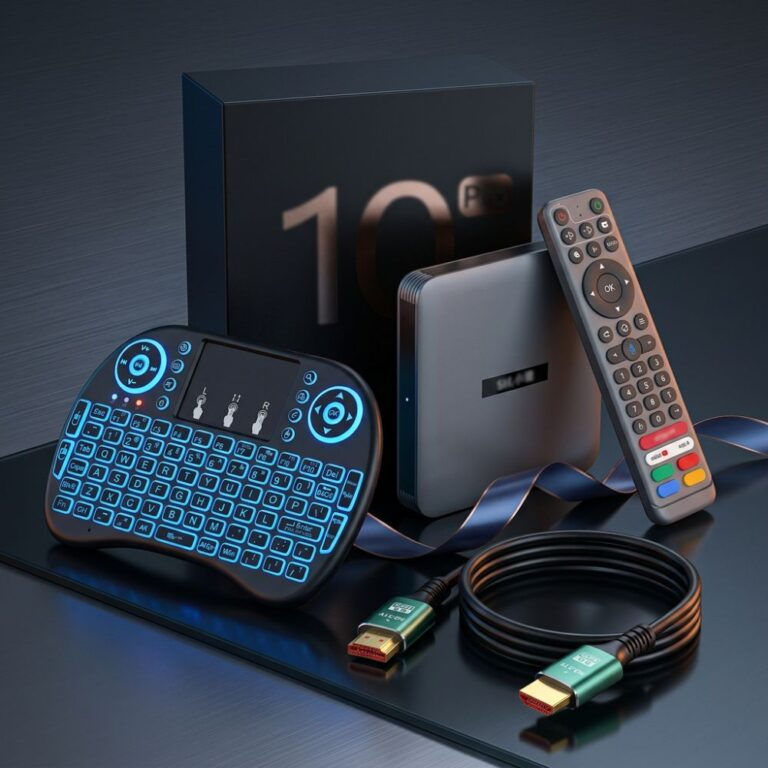
Why fake and grey-market SViCloud boxes exist
SViCloud (also written svi cloud, and known in Chinese as xiaoyun tv box / 小雲盒子) is a recognised brand among overseas Chinese households. That recognition is exactly what counterfeiters trade on. Because these boxes are sold through regional distributors rather than a single global storefront, the market is fragmented — and a fragmented market is easy to hide in.
Three different problems get lumped together as “fake”, and it’s worth separating them:
- Counterfeit units — hardware built by a third party to look like the real thing. Weaker components, no software support, no warranty.
- Grey-market imports — genuine hardware, but shipped in from another region outside the authorized channel. Often the wrong plug type, no local warranty, and no one to help when something breaks.
- Refurbished units sold as new — previously used or returned stock, resealed and listed as new.
Only the first is strictly a fake. But from your side of the transaction, all three end the same way: you paid, and there’s no one standing behind the box.
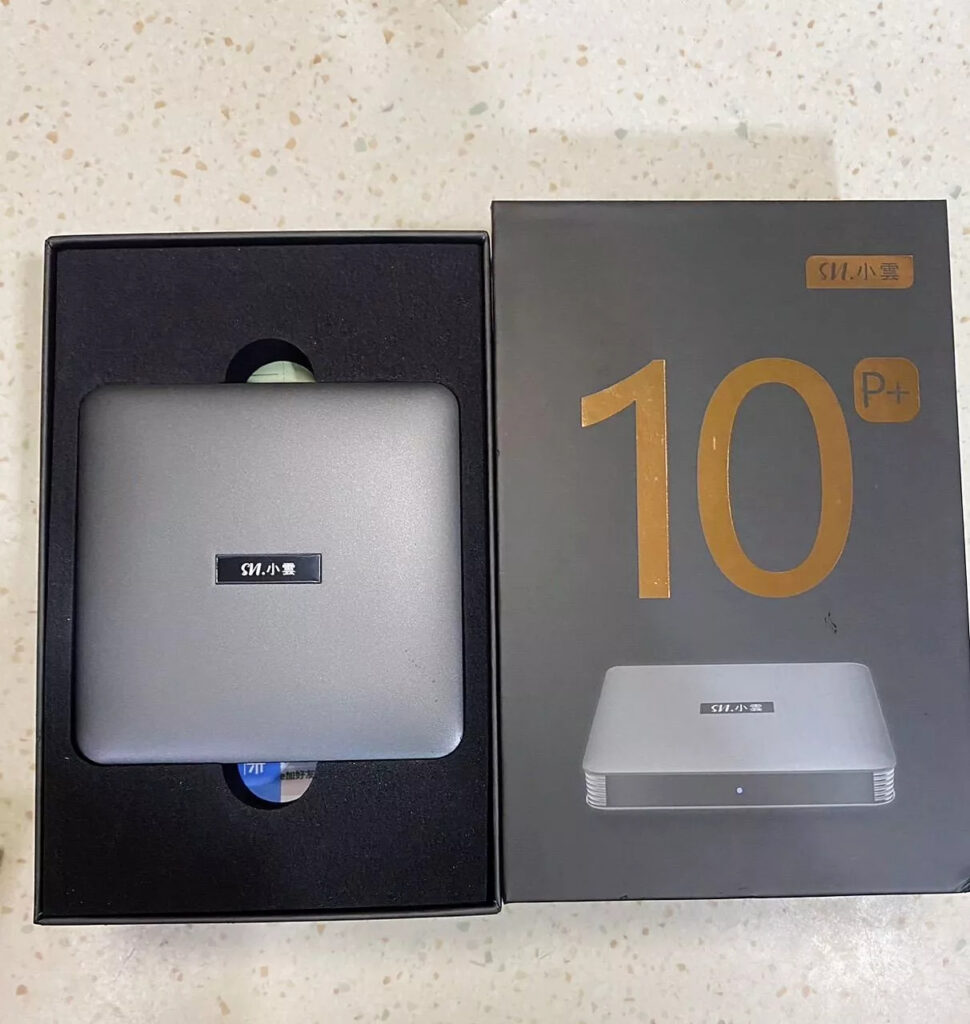
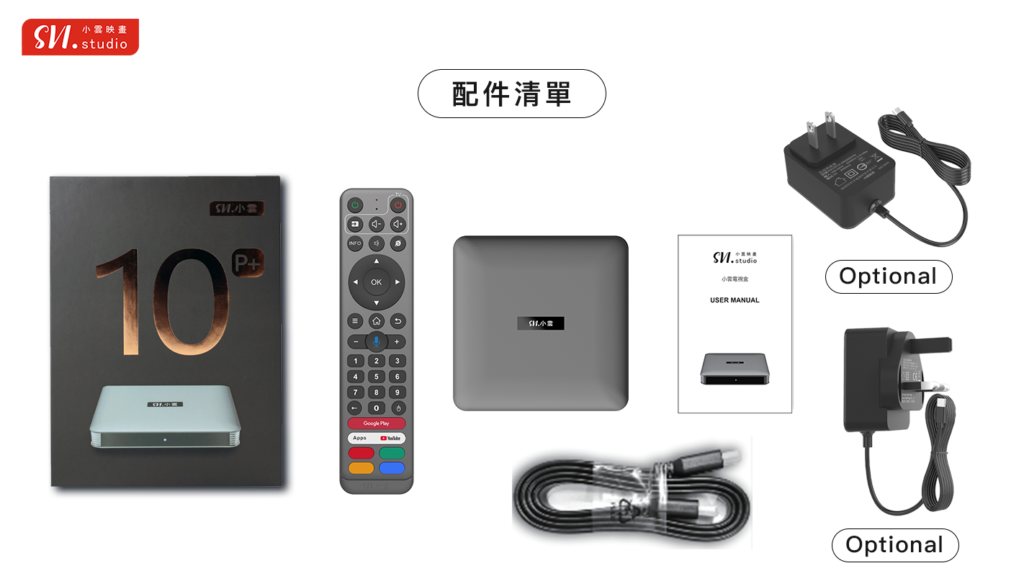
A genuine unit arrives sealed, complete, and with the accessories that match its region.
How to tell a genuine SViCloud box from a fake
Most of these checks take under a minute, and you can do several of them before you even hand over your money.
Before you pay: verify the seller, not just the box
Here’s the thing most buying guides won’t tell you: SViCloud units don’t carry a consumer-facing anti-counterfeit label — there’s no hologram to scratch, no code to text. You cannot verify a box by staring at it.
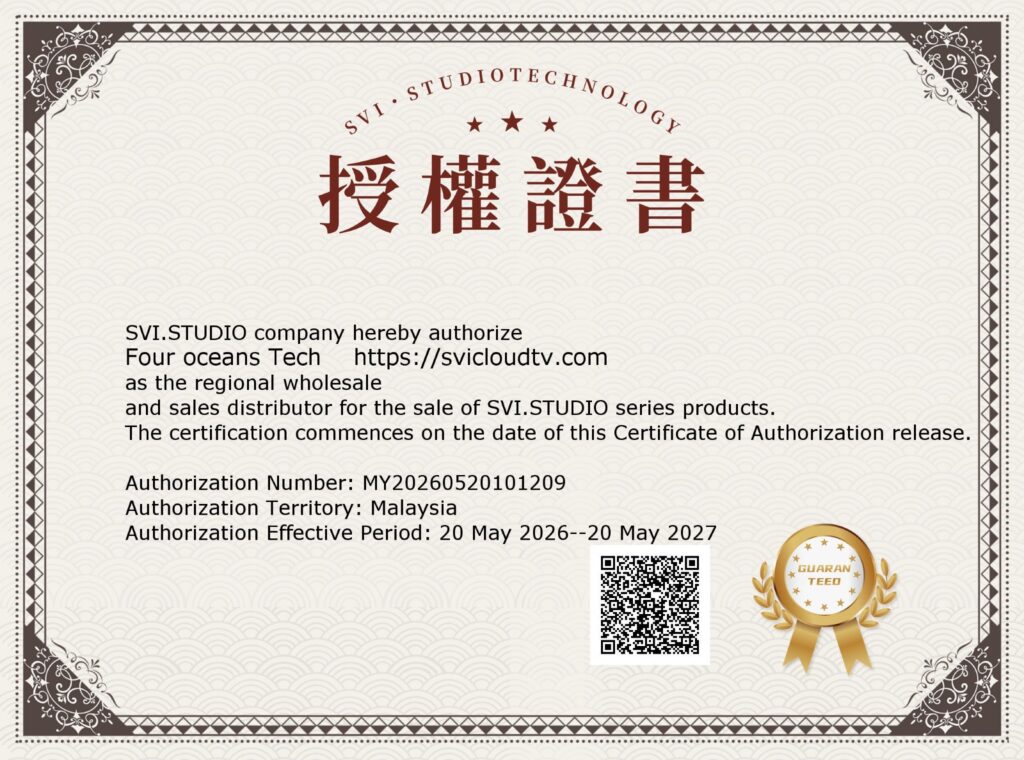
What you can verify is the seller. Authorized distributors hold an authorization certificate from the brand, and a legitimate one will show it to you if you ask. That certificate is the closest thing to a genuine-product guarantee that exists in this category — which is why the question “are you an authorized distributor, and can I see your certificate?” is worth more than every packaging check combined.
With that established, the rest of the listing still tells you a lot:
- The exact model is named. A real listing says SViCloud 10P, not “SViCloud TV box, latest model”. Vagueness about the model is the single most common tell.
- The price is plausible. A box listed far below every other seller is not a bargain — it’s a signal. Counterfeit and grey-market stock is cheap because it costs the seller less, not because they like you.
- Warranty terms are stated in writing. Not “warranty available” — an actual length, and who handles a claim.
- There is a real support contact. A phone number, a messaging channel, a named company. If the only contact is a marketplace message form, ask yourself who you’ll be talking to in eight months.
- The seller answers questions about region. Ask directly: which plug type ships to me, and is this unit intended for the North American market?
When it arrives: check the box
- Factory seal intact. A resealed box is a resold TV box.
- Print quality. Genuine packaging has clean, sharp printing. Counterfeits frequently show blurred logos, off-colours, or typos — read the small text on the packaging, not just the brand name.
- Accessories are complete and match. Remote, power adapter, HDMI cable, manual. A mismatched or generic-looking adapter is a strong warning sign.
- Plug type is correct for your country. A US/Canada unit ships with a North American plug. If it arrives with a UK, EU, or Australian plug and an adapter thrown in, that box was not intended for your market.
- The model on the box matches what you ordered. Obvious, and still worth doing.
After setup: check the behaviour
- The interface looks right — correct branding, no broken text, no unexpected pre-installed software.
- System updates work. Counterfeit hardware typically cannot pull official updates. This is one of the clearest tells, and it shows up early.
- Performance is stable. Constant crashing or freezing out of the box is not normal for genuine hardware.
Where to buy a SViCloud TV box in the US and Canada
The channel you buy through matters more than the price you pay. Here’s how the realistic options compare.
| Channel | Authenticity | Warranty | Support | Risk |
|---|---|---|---|---|
| Authorized distributor | Genuine — holds an authorization certificate, sources through the official channel | Stated warranty, handled locally | Named contact, real people | Low |
| Marketplace third-party seller | Varies — genuine, grey, or fake | Depends entirely on the seller | Message form, often no reply after sale | Medium to high |
| Overseas direct shipping | Often genuine but grey-market | Rarely honoured in North America | Time zone and language barriers | High |
| Unknown private seller | Unverifiable | None | None | Highest |
The pattern is consistent: the cheaper channels are cheaper because they’ve removed the things you only find out you needed later — warranty handling, a support contact, and someone who is still there in six months.
What buying from an authorized distributor actually gets you
“Authorized” is not a marketing adjective. It means the seller is recognized by the brand, holds an authorization certificate, and sources stock through the official channel — which has practical consequences:
- Verifiable authorization — since the hardware carries no anti-counterfeit label, the seller’s certificate is what genuineness actually rests on. Ask to see it.
- Genuine hardware, correctly specified for your region — right plug, right unit, no adapter workarounds.
- A warranty that someone actually handles — a claim goes to a person, not into a marketplace void.
- Local shipping — days, not weeks, and no customs surprises.
- Support in your language — the difference between fixing a Wi-Fi problem in ten minutes and giving up on the box entirely.
- A seller who can be held to their terms — a real company with a real address.
You can browse the current lineup on the SViCloud TV box page, or compare it against other brands in our SViCloud vs EVPAD comparison before deciding.
A short checklist before you pay
- Ask the seller: are you an authorized distributor, and can I see your authorization certificate? There’s no anti-counterfeit label on the box — this is the check that matters most.
- Confirm the exact model — SViCloud 10P, not “latest model”.
- Ask whether the unit is new, sealed, and intended for the North American market.
- Get the warranty length in writing, and confirm who processes a claim.
- Check there’s a real support contact before you need one.
- Confirm the plug type matches your country.
- Be suspicious of any price far below the rest of the market.
- Avoid any listing that promises unlimited paid content forever — no seller can deliver that, and it tells you what kind of operation you’re dealing with.
- Keep screenshots of the listing, the warranty terms, and your conversation with the seller.
One more thing worth knowing
A SViCloud box is an Android TV box. You install apps on it and use content you’re entitled to use under the laws of your region — the same as any Android device. Any seller telling you otherwise, or promising every paid channel forever at no cost, is not a seller you want handling your warranty.
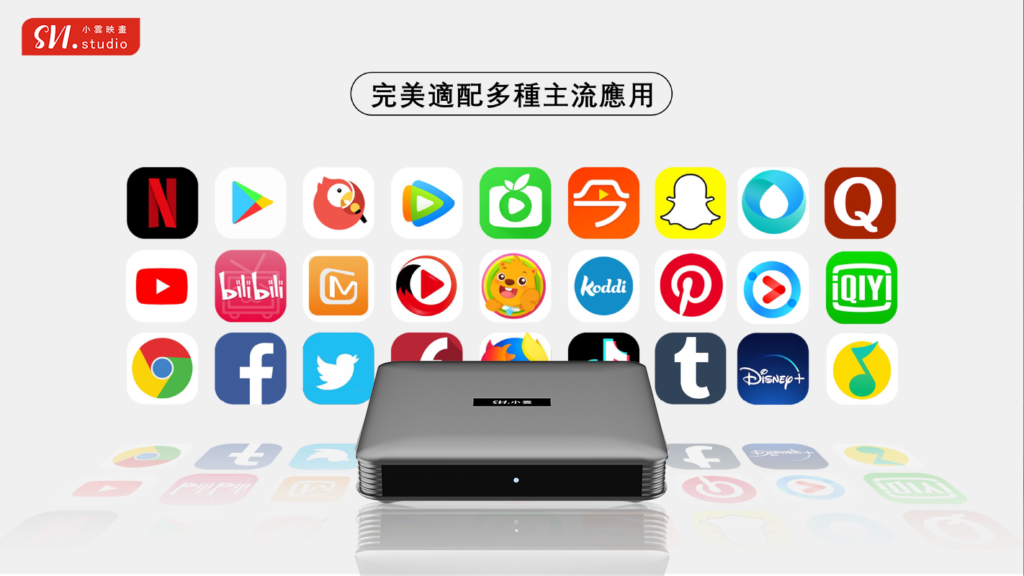
Official streaming apps — YouTube, Netflix, Disney+, Prime Video, regional broadcaster apps — remain the most stable and clearly licensed way to watch, and they work on the box as they would anywhere else.
FAQ
How do I know if my SViCloud box is genuine?
There’s no anti-counterfeit label on SViCloud hardware, so you can’t verify a unit by inspecting it alone — the strongest check is buying from a seller who holds an authorization certificate. Beyond that: an intact factory seal, sharp typo-free packaging print, complete accessories, and the correct regional plug are all good signs, and after setup, a genuine SViCloud TV box will pull official system updates while counterfeits generally cannot.
Where can I buy a genuine SViCloud TV box in the US or Canada?
Buy from an authorized distributor that ships locally, states its warranty terms in writing, and gives you a real support contact. You can see the current range on our SViCloud TV box page.
Why is the same SViCloud box so much cheaper on some sites?
Usually because it’s grey-market stock, refurbished, or counterfeit — or because the seller has removed the cost of warranty and support. That saving becomes expensive the first time something goes wrong.
Is it safe to buy SViCloud from a marketplace?
It can be, but the risk sits with the individual seller rather than the marketplace. Confirm the exact model, warranty handling, region, and support contact before paying — and treat an unusually low price as a warning, not a win.
What if I already bought a fake?
Contact the seller and your payment provider first — card issuers and payment platforms often have buyer protection windows. Keep your listing screenshots and conversation as evidence. Counterfeit hardware can’t be repaired into a genuine unit, so a refund is the realistic outcome.
Which model should I be looking at in 2026?
The SViCloud 10P is the current model to compare. Older generations still circulate, so confirm the exact model name in the listing rather than relying on the brand name alone.
Buy with confidence
Buying a genuine SViCloud box isn’t complicated. Because the hardware carries no anti-counterfeit label, it comes down to asking the seller a few questions before you pay: are you authorized, and can you show the certificate? Which exact model is this? Is it sealed and region-correct? What’s the warranty, and who do I contact if it breaks? A seller who answers all of them clearly is a seller worth buying from. One who dodges any of them has told you what you need to know.
Ready to buy from an authorized North American channel? See the SViCloud TV box range — genuine hardware, stated warranty, local shipping, and real support if you ever need it.